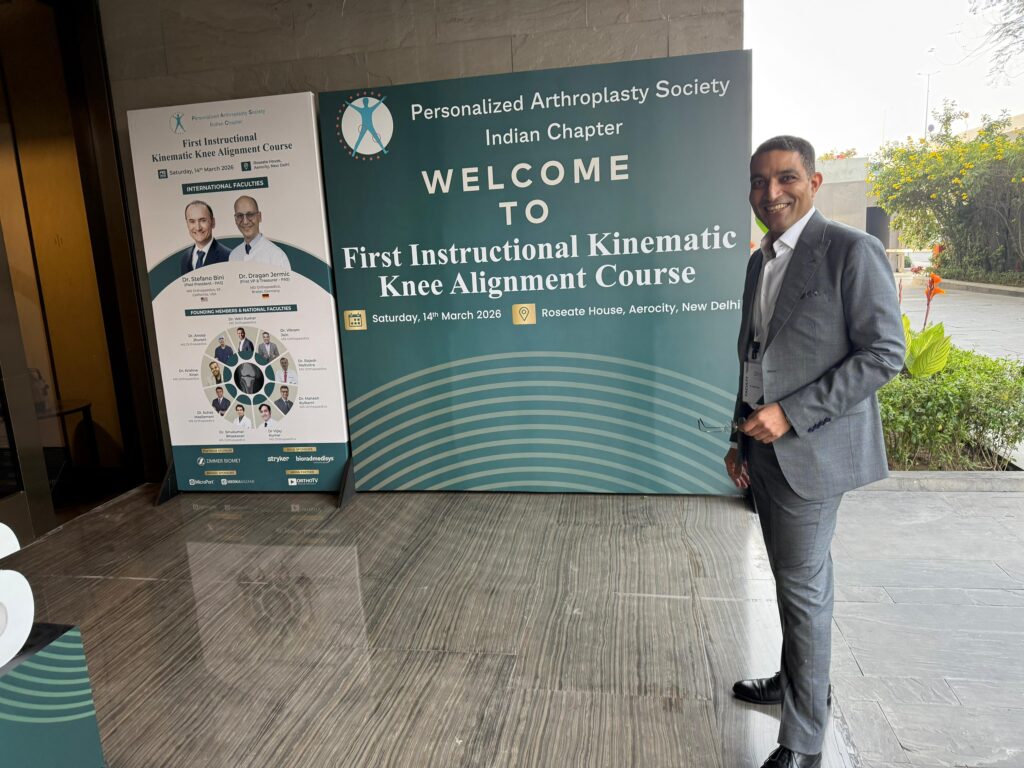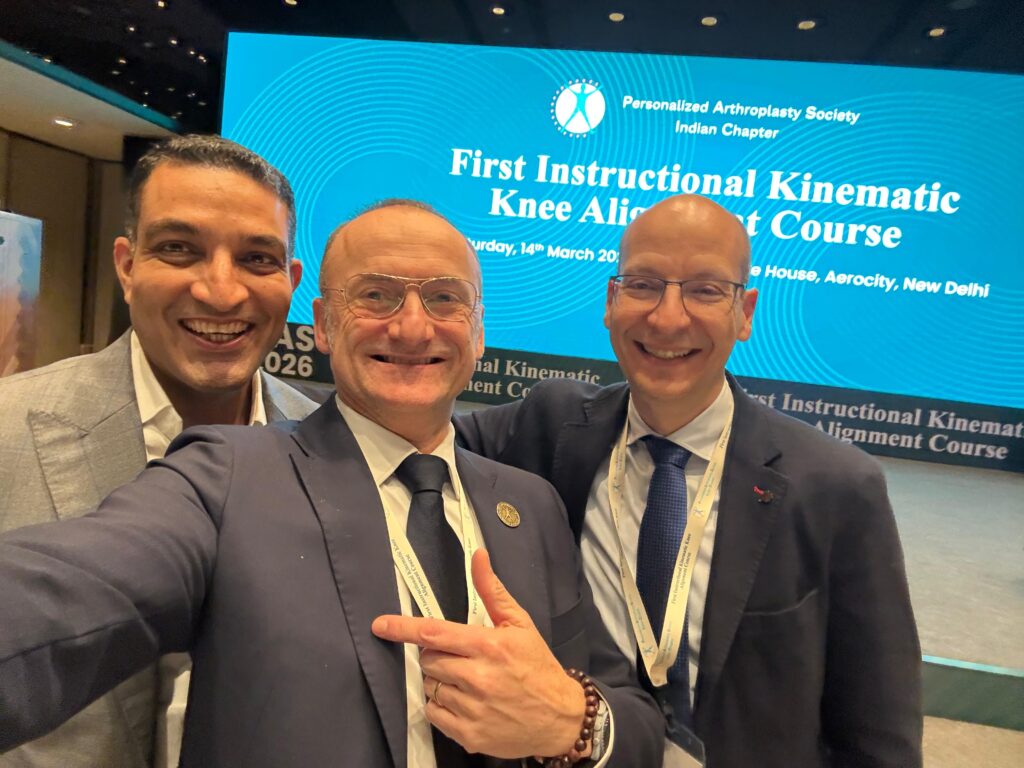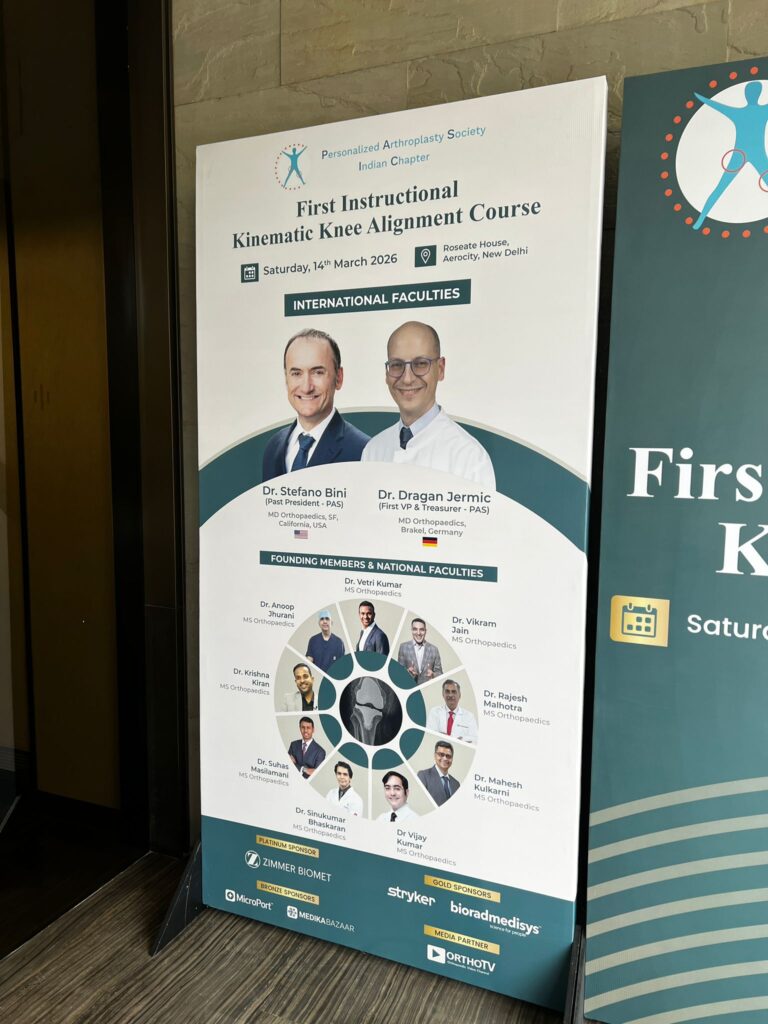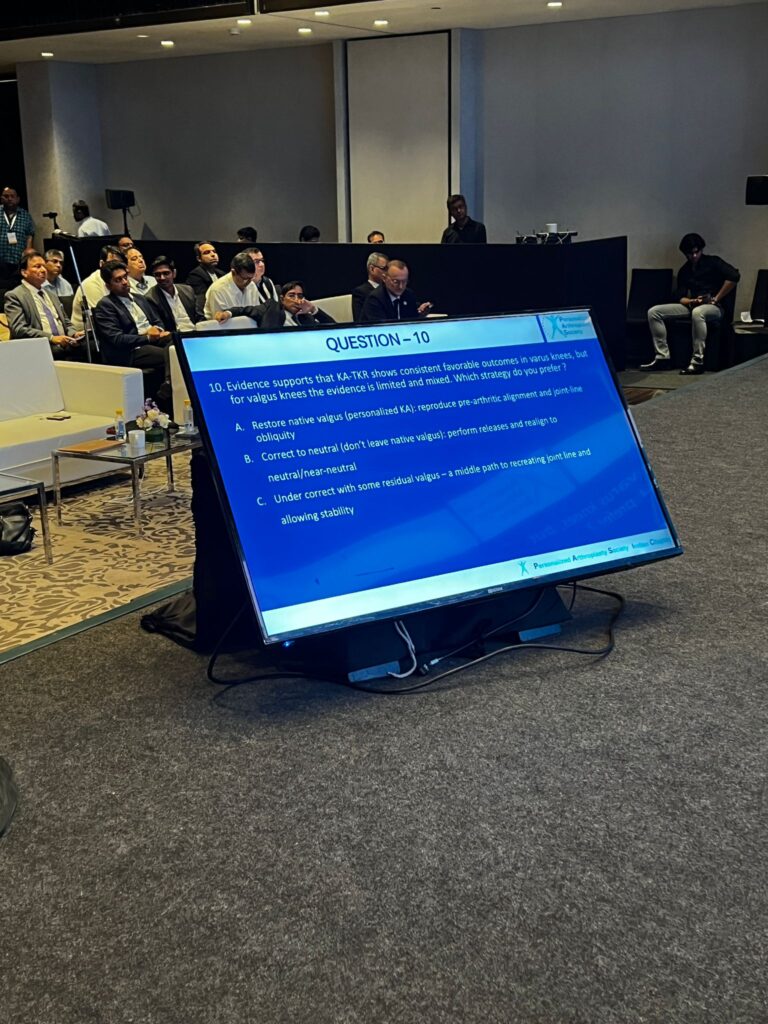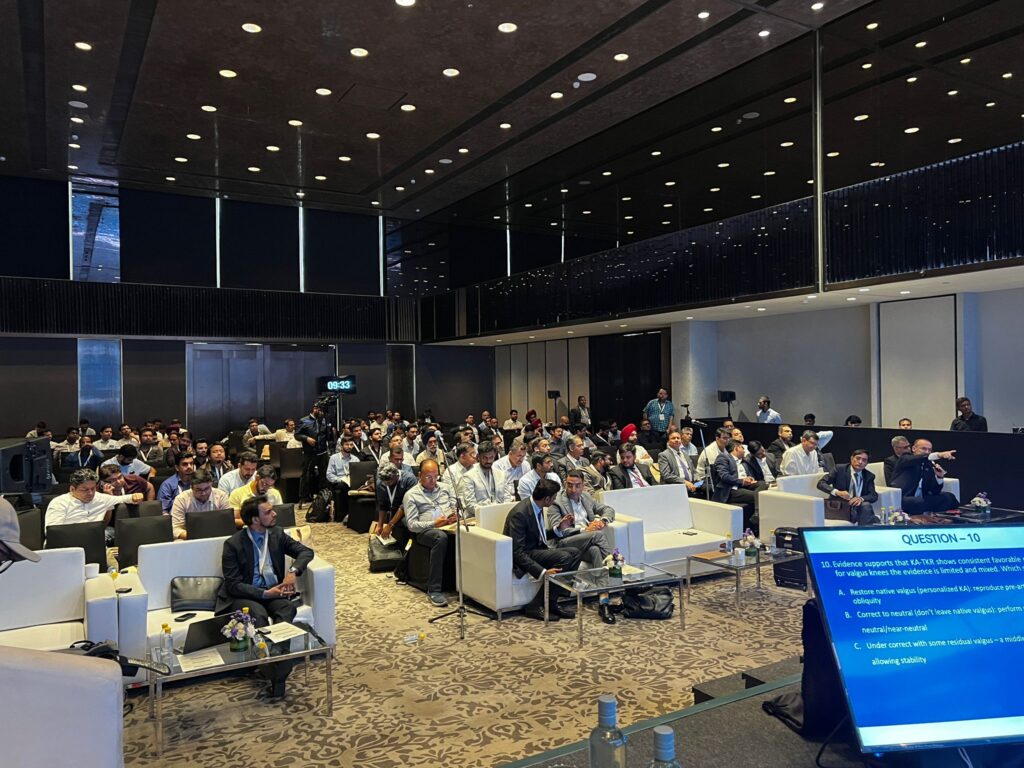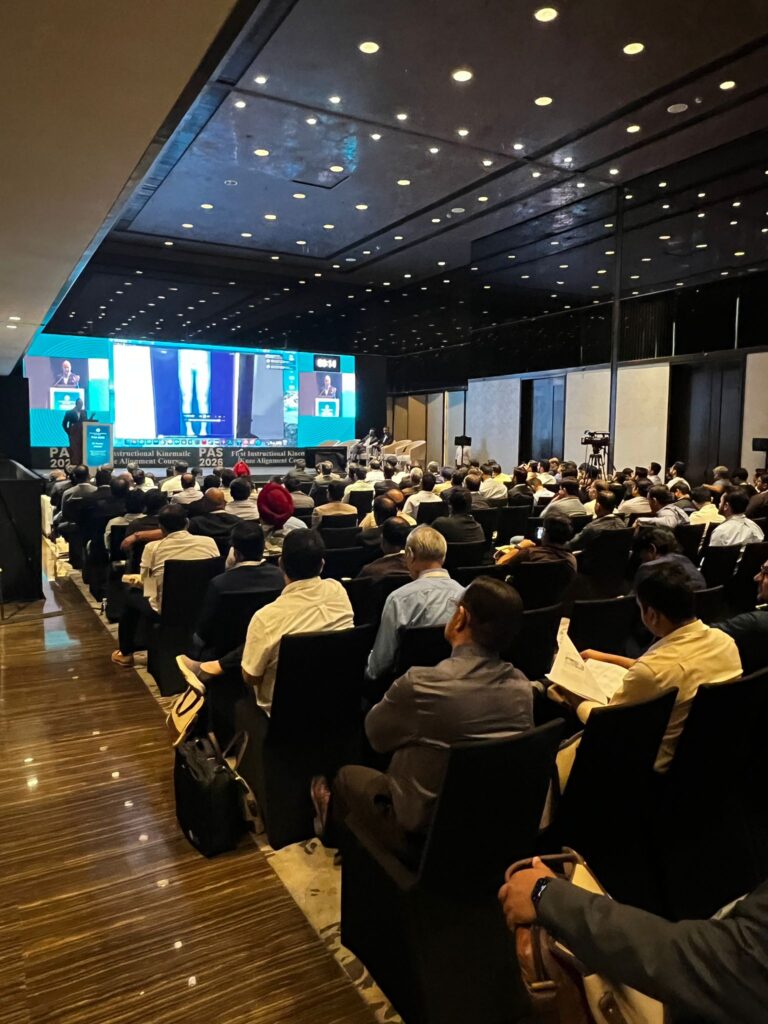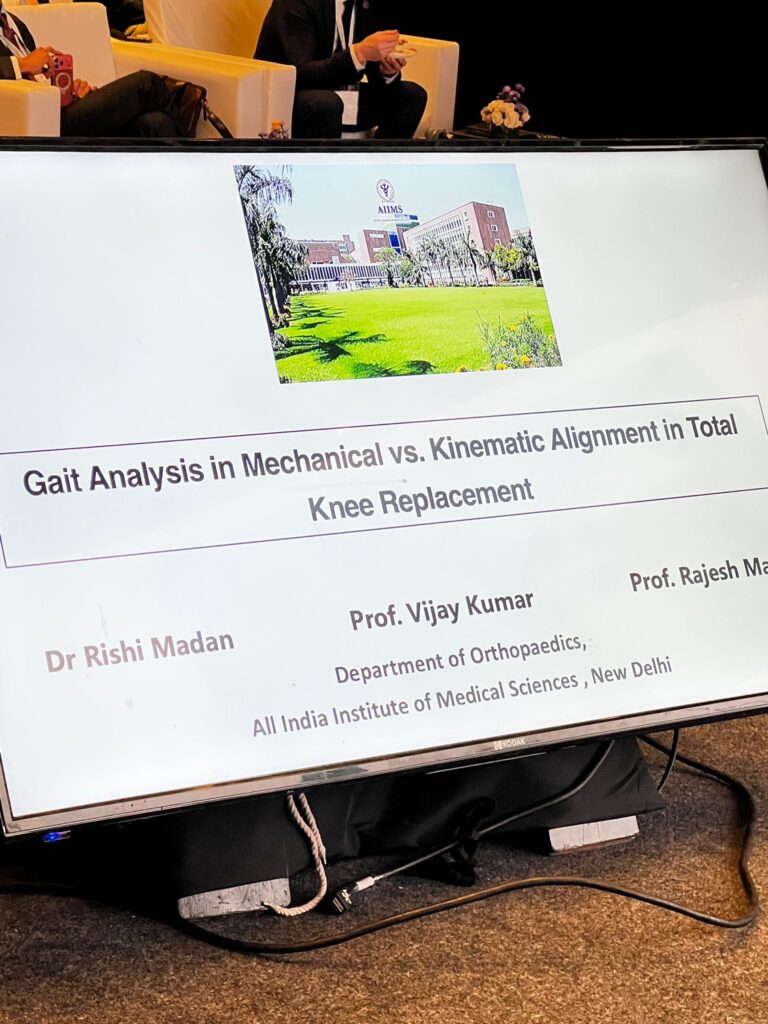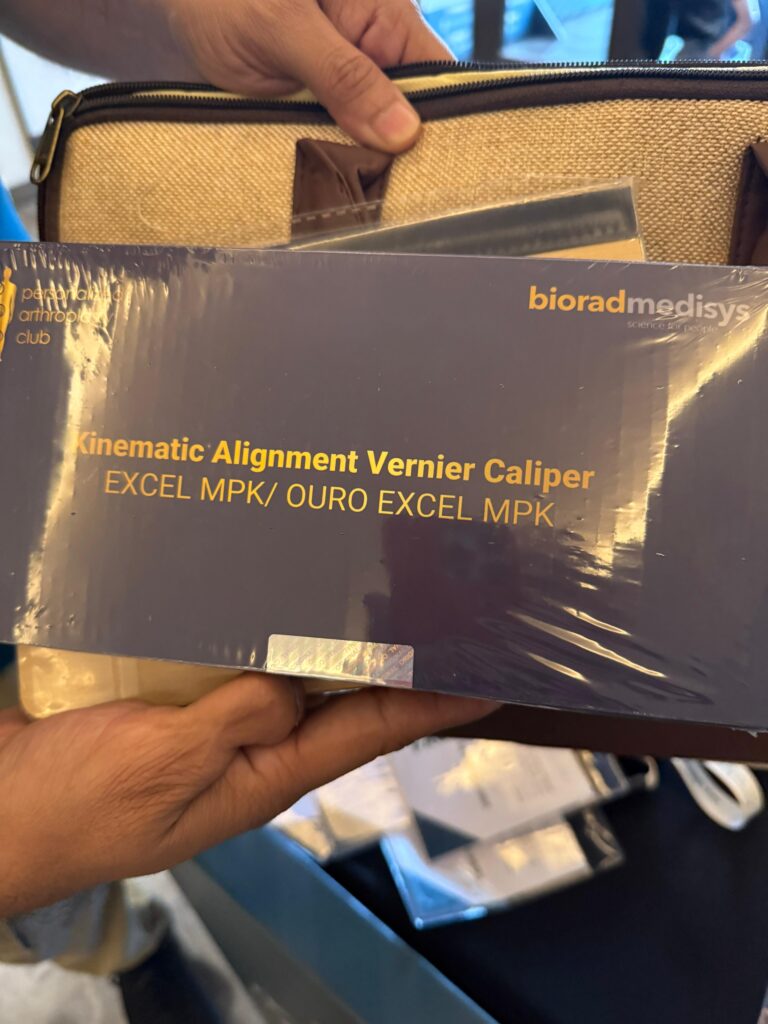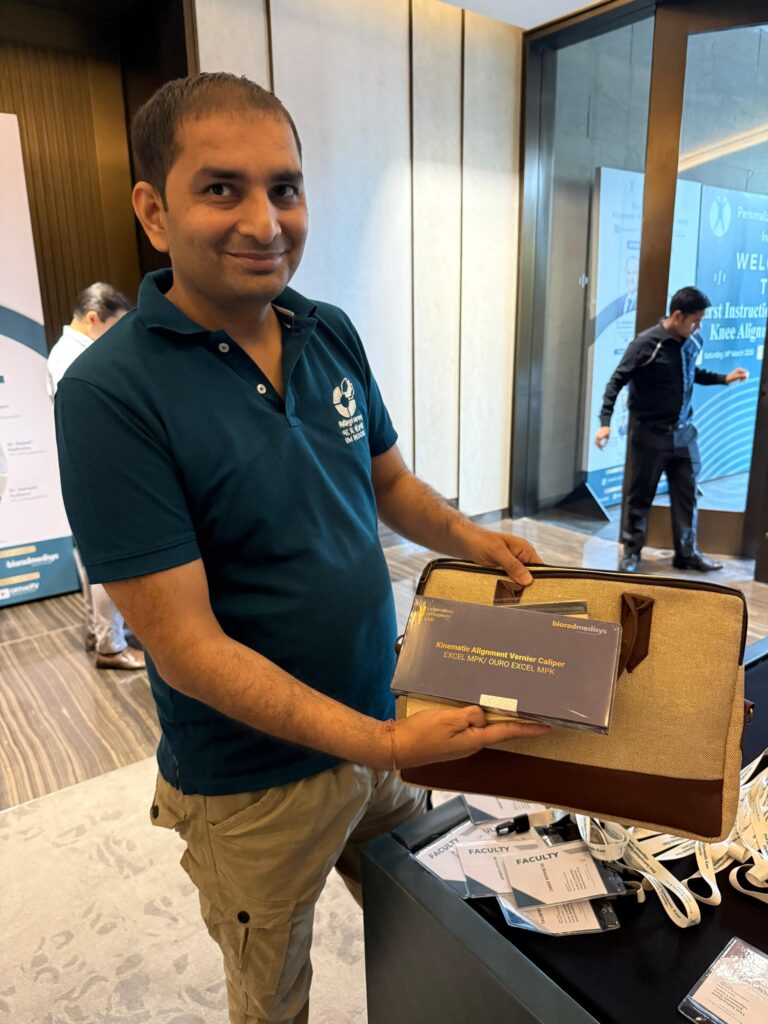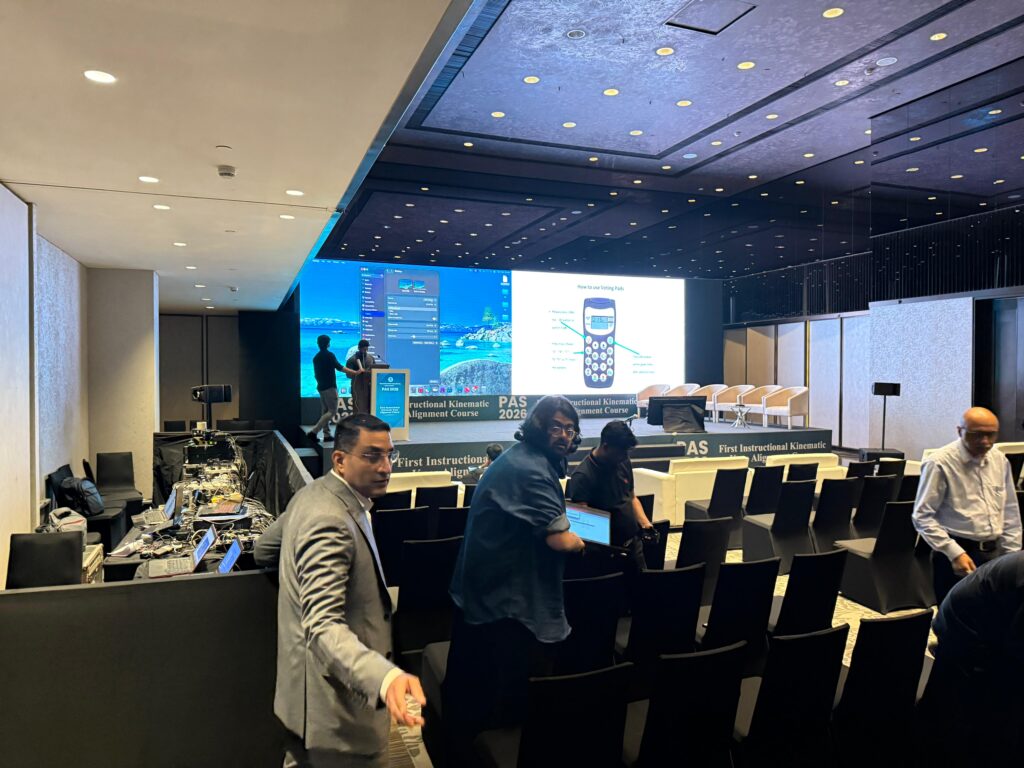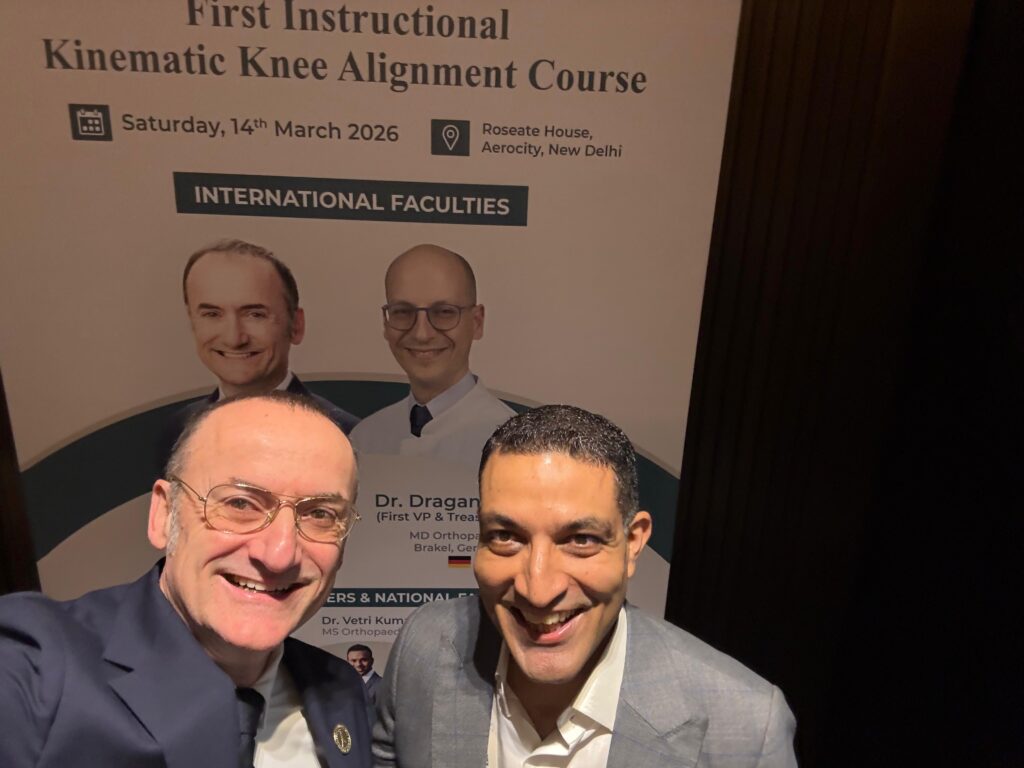

The energy in New Delhi during the inaugural meeting of the Indian chapter of the Personalized Arthroplasty Society (PAS) was unmistakable—palpable, dynamic, and genuinely invigorating. From the very beginning, there was a sense that something meaningful was taking shape, bringing together a community deeply committed to advancing patient-specific approaches in arthroplasty.
What stood out most was hearing firsthand that the momentum behind adoption is being driven not by theory, but by clear and compelling clinical outcomes. Surgeons performing extraordinarily high volumes—often hundreds of cases each month—shared consistent observations from their practices. They noted how relatively few patients required postoperative physical therapy, a striking departure from traditional expectations. Even more telling was how infrequently patients from rural and distant areas needed to return to the hospital with complications, a factor that carries enormous significance in a country where access to follow-up care can be challenging. Additionally, the need for postoperative manipulation appeared to be remarkably low, further underscoring the potential benefits of these personalized approaches.
Beyond the clinical data, the intellectual rigor of the meeting was equally impressive. The quality of the presentations reflected not only experience, but a sophisticated and deeply considered understanding of the evolving landscape of personalization in arthroplasty. The leadership demonstrated clarity in distinguishing between the various approaches—whether technological, procedural, or implant-related—and conveyed a balanced, evidence-driven perspective on each. There was a notable absence of bias, with discussions focused on practical application rather than promotion of any single solution.
Perhaps most encouraging was the thoughtful emphasis on adapting these approaches to the unique needs of the Indian patient population. The diversity of cases, the variability in access to care, and the scale at which these surgeons operate demand solutions that are both effective and pragmatic. It was clear that the group is not simply adopting global trends, but actively shaping them—refining and applying personalization strategies in ways that are highly relevant to their own clinical realities.
Overall, the meeting felt like a pivotal moment—one defined by collaboration, insight, and a shared commitment to improving outcomes at scale.